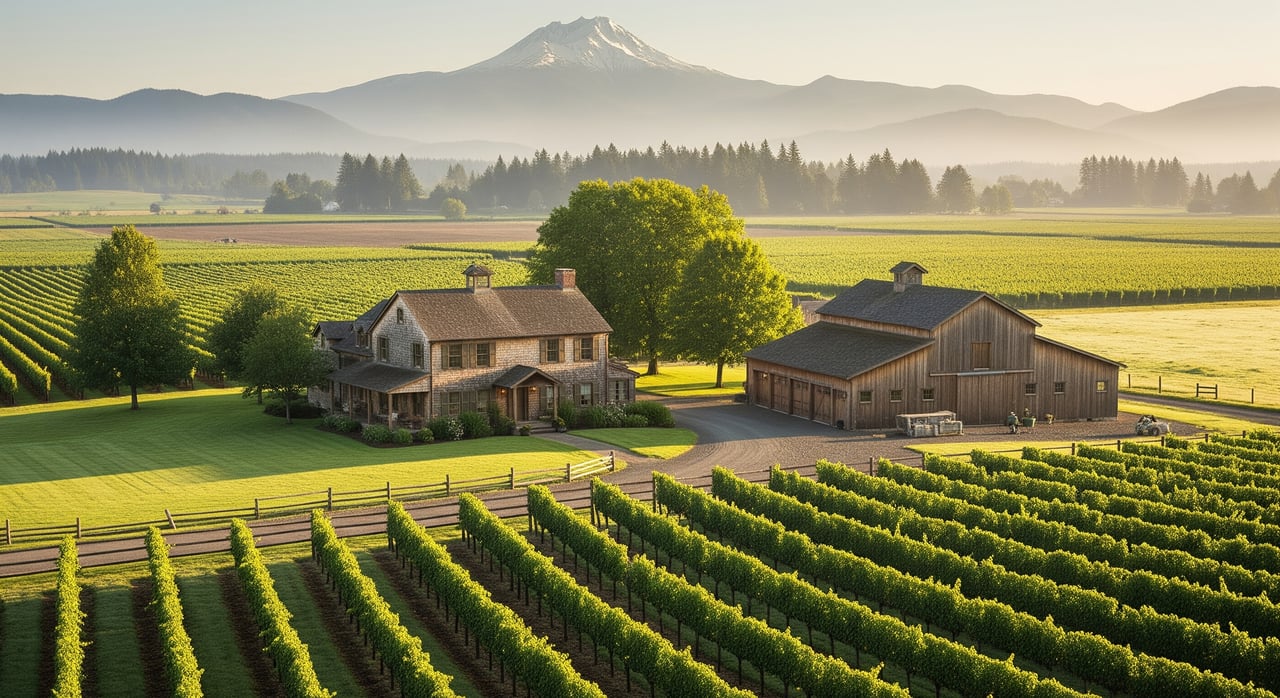
Considering vineyard land or acreage in the Willamette Valley? If you’re eyeing rows of Pinot Noir or a quiet country retreat that supports a small farm business, EFU zoning sits at the heart of what you can and cannot do. The rules are practical once you know them, and understanding the basics can save you time, money, and stress.
This guide gives you a clear, buyer-friendly overview of EFU zoning in Oregon, with a focus on the Willamette Valley. You’ll learn what EFU allows, common limits, key steps for due diligence, and specific tips for vineyard and winery plans. Let’s dive in.
What EFU zoning means in Oregon
Exclusive Farm Use, or EFU, is Oregon’s primary zoning tool for protecting working farmland. Counties use EFU to keep agricultural land productive by limiting non-farm development and controlling parcel splits. The goal is simple: keep farmland viable for the long term while allowing the buildings and activities farms need to function.
For you as a buyer, EFU means your property is intended for agricultural use first. Many farm activities are allowed, but residential and commercial uses are more limited and often need approvals. Local details vary, so you’ll confirm the specific rules with the county where the parcel sits.
Who sets and enforces EFU rules
EFU standards are guided by statewide planning policies and implemented by county planning departments. Counties in the Willamette Valley, such as Yamhill, Marion, Polk, Benton, Linn, Washington, and Clackamas, each apply EFU through their comprehensive plans and land-use codes.
The state provides the framework, and the county applies the details. That is why it’s essential to read the local code for your parcel and talk with planning staff about your intended use.
What you can do on EFU land
EFU zoning supports a wide range of farm activities. In most Willamette Valley counties, you can expect the following to be generally allowed:
- Commercial farming, timber growing, and horticulture, including vineyards.
- Accessory farm structures, such as barns, tool sheds, and storage buildings.
- On-farm processing that is directly tied to your crops, often with permits.
- Farm stands and limited agritourism, such as tastings or tours, typically with intensity limits.
Uses with public access or heavier commercial impact, like frequent large events, usually require additional land-use approvals and may trigger traffic, parking, and signage limits.
Housing on EFU parcels
Housing on EFU land is not the same as standard residential zoning. Most EFU parcels allow one dwelling for the farm operator per farm unit. Additional dwellings, such as a second home or farmworker housing, require meeting specific county criteria, which often include farm income thresholds or proof of need for on-site management.
Temporary or seasonal worker housing has its own rules. Permits are common, and health, septic, and safety standards apply. If living on-site is part of your plan, confirm the dwelling rights early in your due diligence.
Vineyard buyers: key considerations
Vineyards are treated as an agricultural use, which aligns well with EFU. That said, the details matter:
- Vineyard establishment counts as farm use, but winery buildings or tasting rooms may need permits.
- Soils, slope, drainage, frost exposure, and solar aspect drive wine quality and yield.
- Vineyard development requires upfront capital and patience, since vines take years to reach full production.
If you plan to grow grapes and possibly produce or sell wine on-site, map your operational roadmap now. Pair your vision with realistic timelines, permit needs, and infrastructure requirements.
Soils and site suitability
Soil type and depth, drainage, and slope are key for vineyard success. Frost pockets, erosion risk, and elevation also affect viability. Many buyers start with soils mapping, then bring in a viticulture consultant for a site walk and test pits to evaluate root zones and drainage.
A thoughtful assessment can prevent costly missteps and inform block layout, trellising, and whether irrigation makes sense.
Water rights and irrigation
In Oregon, water rights are separate from surface land ownership. If irrigation is part of your plan, verify existing water rights or whether new rights are available. Groundwater and surface water are regulated, and some areas have reporting or pumping limits.
For winery operations, process water and wastewater handling may require additional approvals. Confirm well capacity, septic design, and any historic permits tied to previous operations on the property.
Subdivision and future options
EFU zoning restricts subdivision to protect agricultural land. Minimum parcel sizes are often large, and partitions are limited. If you are thinking about splitting a parcel for family or investment reasons, expect a formal land-use review and a high bar to show you are not harming agricultural viability.
In short, buy for the use you want today, not a speculative split later. If a partition is important, discuss feasibility with county planning staff and a land-use consultant before you write an offer.
Permits for wineries and agritourism
On-farm processing, such as wine production, is commonly allowed under EFU, but you will likely need permits for buildings, wastewater, and public access. Tasting rooms, events, and retail sales can be allowed with intensity limits, which may include caps on events, guests, hours, parking, and signage.
Counties may require conditional use permits, building permits, septic and wastewater approvals, and oversight for winery process waste. Plan your visitor experience and traffic plan with these requirements in mind.
Taxes and incentives
Oregon’s Farm and Forest special assessment can reduce property taxes for qualifying agricultural land. Eligibility depends on use and sometimes gross income thresholds. If the property is enrolled today, confirm the status and whether deferred taxes could be triggered by a change in use or ownership.
Ask your agent and your tax professional to help you understand how enrollment, eligibility, and potential payback work for your specific parcel.
A practical due diligence checklist
Use this checklist to organize your investigation and ask smart questions while you are under contract.
- Zoning and land-use status
- Confirm EFU zoning and get the county code sections for your parcel.
- Ask about existing approvals, variances, or pending applications.
- Dwelling rights and farm housing
- Determine how many dwellings are allowed and what you must show to add housing.
- Review rules for farmworker housing, home occupations, and short-term stays.
- Subdivision and future options
- Identify minimum parcel size and whether prior partitions have been used.
- If you hope to split later, discuss criteria with county planning staff now.
- Water and irrigation
- Verify water rights, well logs, and any certificates or permits.
- Inspect irrigation infrastructure and check groundwater or surface use limits.
- Soils and site suitability
- Pull soils mapping and consider a viticulture assessment for vineyards.
- Evaluate drainage, frost exposure, slope stability, and erosion risk.
- Utilities, septic, and capacity
- Confirm well location and yield, septic permits, and building permit history.
- For wineries, review process wastewater plans and disposal options.
- Environmental constraints
- Check for riparian setbacks, wetlands, conservation easements, or DEQ history.
- Access, roads, and easements
- Verify legal access, maintenance responsibilities, and any recorded easements.
- Leases and operations
- Review farm leases, grazing agreements, and management contracts that survive closing.
- Taxes and assessment
- Confirm Farm and Forest special assessment, eligibility, and any deferred tax exposure.
- Wildfire and insurance
- Assess wildfire risk and insurance availability for rural structures and operations.
- Market and economics
- Review income history for current operations and realistic timelines to vineyard production.
How to plan a vineyard purchase timeline
If your end goal includes both grapes and a small tasting experience, build a phased plan:
- Site selection and soils due diligence
- Confirm zoning, water, and baseline suitability.
- Entitlement and infrastructure
- Secure any needed land-use permits and finalize well, septic, and power upgrades.
- Planting and vineyard development
- Prepare soil, install trellis and irrigation if needed, and plant blocks in phases.
- Production and processing
- Decide between custom crush, mobile bottling, or on-site processing with approvals.
- Visitor experience
- If a tasting room fits your plan, align guest capacity with county limits, parking, and staffing.
Staging the project ensures you are building value at each step while staying inside EFU rules.
How Savanna supports your EFU purchase
Buying EFU land in the Willamette Valley rewards careful planning and the right partnerships. You get the best outcome when your agent, land-use and water specialists, and viticulture pros are on the same page.
Savanna Ray blends two decades in hospitality with hands-on vineyard and acreage transaction experience. You get white-glove guidance tailored to your goals, from off-market sourcing and code reviews to introductions to local planning staff, water rights consultants, and vineyard managers. If you are ready to explore EFU properties with confidence, schedule a conversation with Savanna Ray.
FAQs
Can I build a house on EFU land in the Willamette Valley?
- Most counties allow one dwelling for the farm operator per farm unit, and any additional dwellings require meeting county criteria or obtaining special approvals.
Are tasting rooms and events allowed on EFU vineyard properties?
- Limited agritourism can be allowed, but tasting rooms and larger events often require land-use permits and may be subject to caps on visitors, hours, parking, and signage.
Do EFU properties include water rights automatically?
- No. Water rights are separate from land ownership, so you must verify existing rights or the ability to obtain them for irrigation or processing needs.
Can I subdivide an EFU parcel for non-farm homesites?
- Subdivision is restricted to protect farmland, and partitions are allowed only in narrow circumstances that typically require formal land-use approval.
Will my EFU property qualify for reduced property taxes?
- If your land meets use and eligibility requirements, Oregon’s Farm and Forest special assessment can reduce taxes, but you should confirm enrollment status and any deferred tax implications.
What permits might a small winery need on EFU land?
- On-farm processing, buildings, and public access often require county land-use and building permits, septic and wastewater approvals, and compliance with process waste rules.
