If you picture tree-lined streets, colorful murals, and the smell of fresh coffee on every corner, you’re close to the rhythm of Northeast Portland. You might be dreaming about weekend strolls to a farmers market or a quiet block that is still minutes from a lively main street. This guide gives you a clear feel for daily life across Irvington, Alberta Arts, Beaumont, Grant Park, and nearby pockets, so you can decide where you fit. Let’s dive in.
Northeast Portland at a glance
Northeast Portland is a collection of distinct neighborhoods rather than one single vibe. You’ll find quiet residential blocks just a few turns from active commercial corridors. Most areas have older homes, leafy streets, and local shops that anchor daily routines.
Irvington
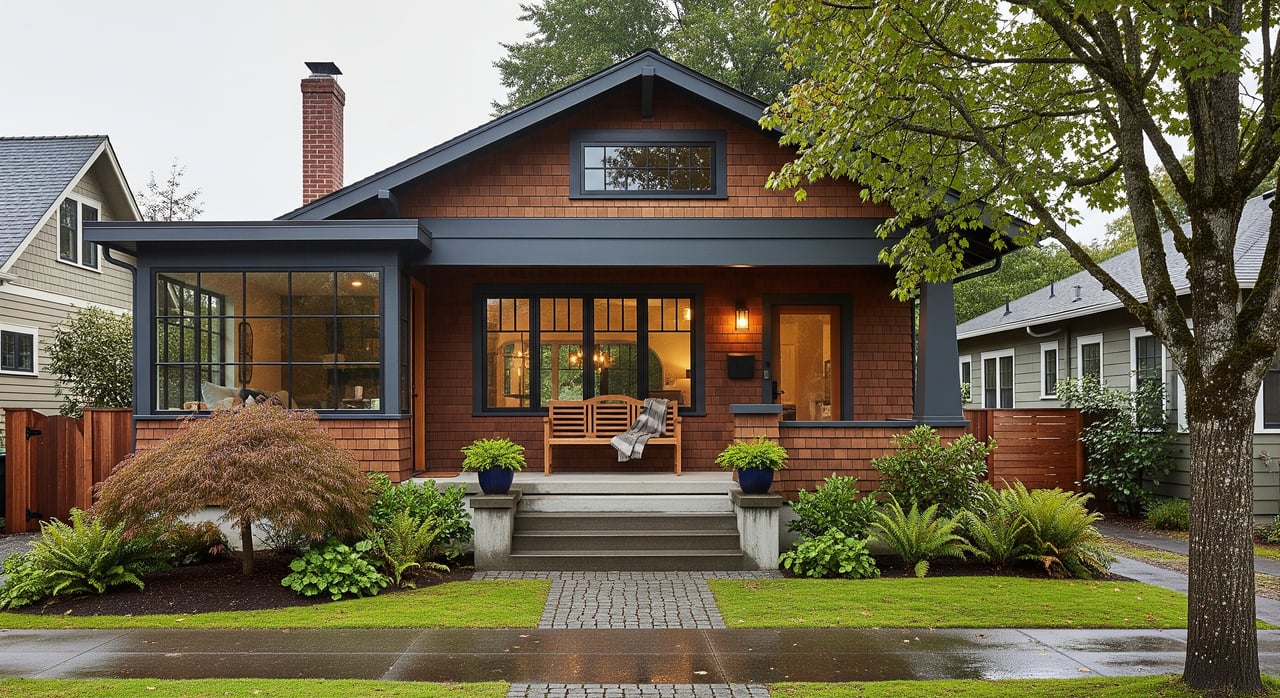
Irvington is known for historic early 20th-century homes and broad, tree-lined streets. It feels residential and calm, with small commercial pockets a short walk or bike ride away. Many homes are Craftsman bungalows or foursquares that have been thoughtfully updated.
Alberta Arts District
Alberta centers on a lively main street with murals, galleries, indie boutiques, and a steady calendar of cultural events. The street is busy most evenings, while nearby residential blocks quiet down at night. You’ll notice a strong small-business presence and a visible arts scene.
Beaumont-Wilshire
Beaumont-Wilshire offers a residential feel with a commercial node along NE Fremont. You’ll find a mix of classic houses, mature trees, and local cafés within a few blocks. The pace is relaxed, with quick access to nearby parks.
Grant Park
Grant Park is anchored by its namesake park and Grant High School. Streets tend to be residential with historic homes and active neighborhood life. Many residents value the balance of green space and access to nearby services.
Concordia
Concordia blends residential blocks with local commercial strips along NE Killingsworth and NE Prescott. Community-focused amenities and casual eateries are part of the everyday mix. Walkability depends on how close you are to the corridors.
Hollywood District and Sullivan’s Gulch
The Hollywood District functions as a transit hub and commercial center with historic landmarks like the Hollywood Theatre. Sullivan’s Gulch sits nearby with a more mixed-use, urban feel. Both areas give you easy access to shops and transit connections.
Daily life and walkability
Walkability varies block by block. Alberta Street and NE Broadway–Weidler offer continuous pedestrian activity, while many side streets feel suburban-quiet. If you want to verify walkability for a specific address, use the city’s maps and a tool like the Walk Score Portland page.
Good to know: Many neighborhoods transition quickly from calm residential streets to busier corridors. That shift shapes everyday factors like noise, parking, and foot traffic.
Arts and community events
Alberta’s murals and galleries set the tone for much of Northeast’s arts identity. Street fairs and arts nights happen throughout the year, though formats and schedules change. Check community calendars from groups like Alberta Main Street to see what’s on.
The Hollywood Theatre hosts regular programming in a historic setting, and smaller venues along nearby corridors add music, film, and pop-up events to the mix. You’ll find a steady stream of openings, shows, and neighborhood gatherings.
Food and nightlife
Northeast Portland leans local. You’ll eat at independent restaurants, grab coffee from neighborhood cafés, and find vegetarian, vegan, and globally inspired menus without trying hard. Evening energy concentrates along Alberta, NE Broadway–Weidler, NE Fremont, and parts of NE Sandy, while most nearby residential blocks stay quiet later at night.
Parks and green space
You have plenty of neighborhood parks for picnics, playground time, and dog walks. Favorites include Irving Park, Grant Park, Alberta Park, Beaumont Park, and Peninsula Park. For locations, amenities, and programs, start with Portland Parks & Recreation.
When you want bigger adventures, Forest Park and the Columbia River Gorge are popular day trips by car. Many residential streets feature mature trees and small front gardens that add to the green feel at home.
Getting around
TriMet buses run along major corridors, and parts of Northeast have easy access to MAX light rail and the Hollywood Transit Center. For routes and planning, use the TriMet site. Cycling is common on neighborhood greenways and some protected lanes, though comfort varies by street. If you bike, explore routes and resources through the Portland Bureau of Transportation.
Car ownership is still common, and parking can tighten near popular commercial strips and around schools or events. Most errands are a short drive, ride, or transit trip.
Homes and architecture
Housing skews historic, with Craftsman bungalows, foursquares, and period revival styles showing up on many blocks. You’ll also see smaller apartment buildings, low-rise condos, and more infill projects such as duplexes or ADUs. Renovations and accessory dwellings reflect both homeowner trends and city efforts to add housing options.
Demand is steady in areas with strong amenities. Restored older homes are popular, and rental options range from older walk-ups to newer multiunit buildings and single-family rentals.
Community and history
Much of Northeast overlaps with the historic Albina area, which has been central to Black culture and business in Portland. Post-war policies, urban renewal, and economic changes reshaped the community, and that history informs conversations today about equity and development. For research on neighborhood change and population trends, explore the Portland State University Population Research Center.
Gentrification and affordability are ongoing topics in community life. Neighborhood associations and business groups remain active, with regular meetings, clean-ups, and events that invite participation.
Everyday pros and tradeoffs
What you may love:
- Walkable main streets with independent shops and cafés
- Historic homes and leafy blocks with strong neighborhood character
- Regular arts and cultural programming, especially around Alberta
- Convenient access to parks and transit options
What to consider:
- Noise and parking near busy corridors and event areas
- Walkability varies by block, so proximity matters
- Market conditions can shift quickly, and competition may rise in desirable pockets
Who it’s a fit for
Northeast Portland attracts a mix of long-time residents, creative professionals, and people who value walkability and local culture. Many households appreciate being close to parks and neighborhood schools. Young professionals often gravitate to areas with strong transit and cycling access, while others prefer quieter residential streets near a favorite café.
How to choose your spot
- Define your corridor. Decide if you want to live on or near Alberta, NE Fremont, or NE Broadway–Weidler for quick access to shops and dining.
- Test your commute. Use TriMet to see how long it takes to get to work or school at different times of day.
- Map parks and programs. Check nearby options through Portland Parks & Recreation.
- Review data. For recent crime statistics and open data, visit the Portland Police Bureau. For context on population and neighborhood change, see PSU’s Population Research Center.
- Walk it twice. Visit during the day and evening to get a feel for noise, traffic, and the vibe on and off the main streets.
When you are ready to compare specific homes or tour blocks that fit your lifestyle, connect with a local advisor who knows the nuances from Irvington to Concordia. For boutique, hospitality-driven guidance and access to on- and off-market options, reach out to Savanna Ray.
FAQs
What is Northeast Portland known for?
- It blends historic homes, lively main streets like Alberta, active parks, and community events, with quick transitions from quiet residential blocks to mixed-use corridors.
Is Northeast Portland walkable for daily errands?
- Many errands are walkable near Alberta, NE Broadway–Weidler, and NE Fremont, while side streets are quieter; check address-level walkability on the Walk Score Portland page.
How is public transit in Northeast Portland?
- Major corridors are served by TriMet buses and nearby MAX lines, with the Hollywood Transit Center as a hub; plan trips and routes on the TriMet site.
What housing types will I find in Northeast Portland?
- You’ll see early 20th-century single-family homes, smaller apartment buildings, and growing infill like duplexes, condos, and ADUs across many neighborhoods.
Where can I find data on safety and trends?
- Use the Portland Police Bureau open data for crime statistics and the PSU Population Research Center for research on population and neighborhood change.
